by a
clinician, check blood sugar at bedtime and note the result.
Reduce large amounts of fluids late in the evening to help limit bathroom trips.
Bring ongoing sleep disruption to a doctor promptly—especially if it’s worsening.
Stick with consistent sleep and meal routines to support steadier nights.
Many people find that tracking nighttime diabetes symptoms leads to more productive conversations and clearer next steps.
Conclusion: Notice Night Patterns to Support Better Health
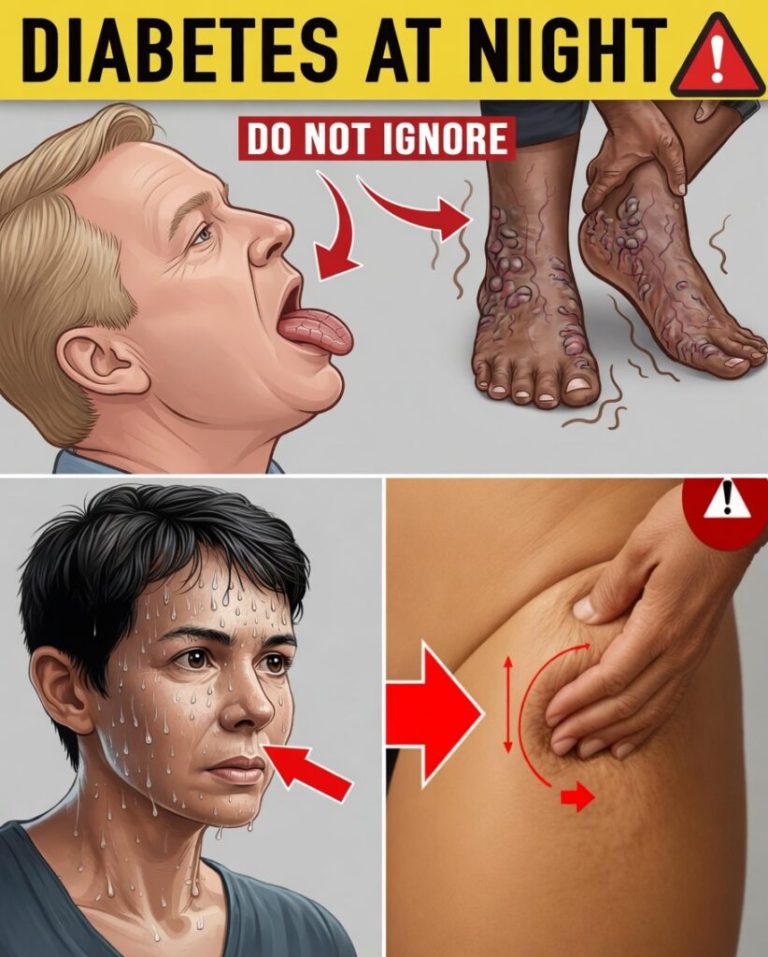
Paying attention to possible nighttime symptoms of diabetes—such as frequent urination, night sweats, tingling, or breathing