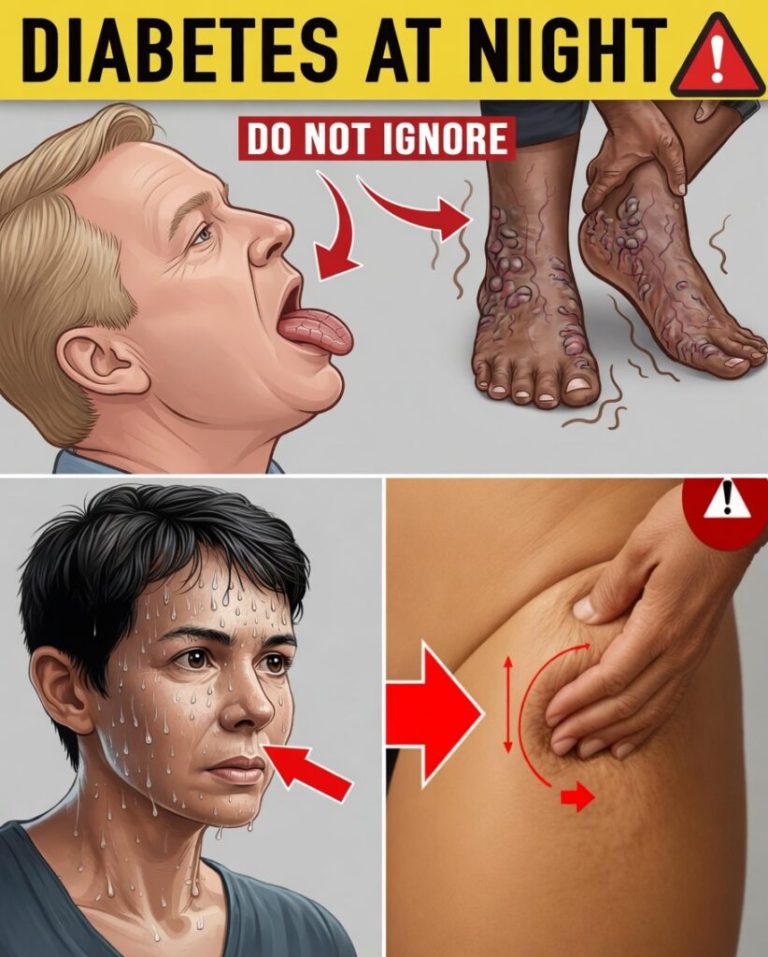
may include shaking, sweating, confusion, or a sudden feeling of alarm.
When appropriate, monitoring tools and clinician-guided plans can help manage these potential nighttime symptoms of diabetes more safely.
7 Common Nighttime Symptoms That May Be Associated with Diabetes Concerns
Nighttime Symptoms vs. Supportive Tracking Steps
Symptom Why It Disrupts Sleep Gentle Monitoring Tips Potential Benefit
Frequent urination Multiple wake-ups break sleep cycles Track how often you wake; note evening fluids Fewer interruptions
Excessive thirst Encourages repeated drinking and waking If advised, check glucose before bed Improved hydration balance
Night&